The History of Vintage Fashion: A Exploration Through Legendary Styles and Fashions
The narrative of classic apparel uncovers a collection of designs that represent societal transformations. Each timeframe introduced novel styles, from the flapper garments of the 1920s to the power garments of the 1980s. These styles not only molded individual style but also emphasized social trends. As one studies the trajectory of these legendary silhouettes, the impact on modern apparel stands out more clearly, raising reflections about the recurring pattern of design.
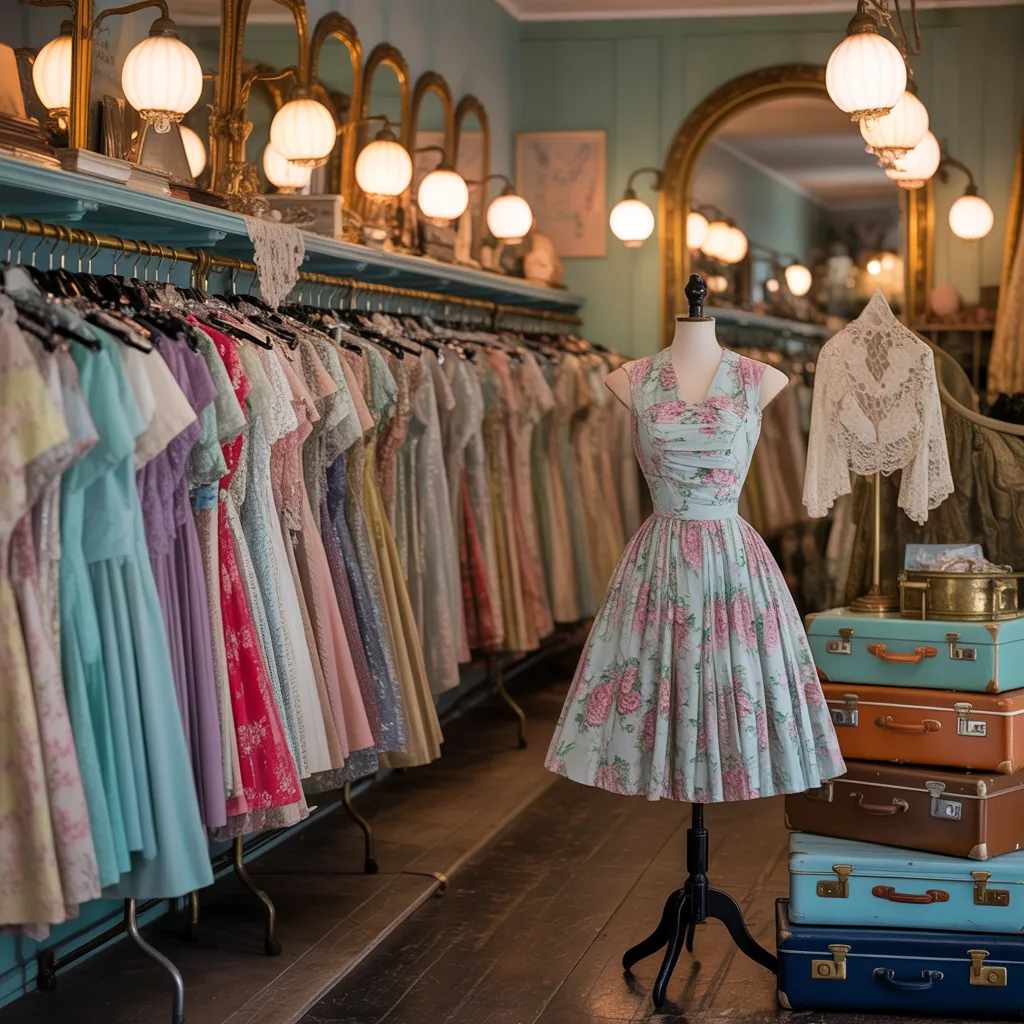
Vintage Style in the Roaring Twenties: Flapper Dresses and Jazz Era Elegance
The Roaring Twenties marked a progressive era in style, defined by the emergence of flapper dresses and the energy of Jazz Age glamour. This period observed women embrace a more liberated lifestyle, shown in their clothing choices. Flapper dresses, often adorned with fringes and beads, featured drop waists and loose silhouettes, allowing for freedom of movement on the dance floor. The iconic bob haircut complemented this new style, denoting rebellion against traditional femininity.
Fashion grew more obtainable because of bulk manufacturing, with department stores displaying ready-to-wear garments. Bold colors, geometric patterns, and luxurious materials like silk and satin established the aesthetic of the time. Accessories including cloche hats and long pearl necklaces adorned the flapper look, underlining a modern, youthful spirit. This vibrant fashion movement not only changed women's attire but also defied societal norms, facilitating future generations in the domain of style and self-expression.
1930s Fashion: Hollywood Glam and Tailored Outfits
As Hollywood gained prominence in the 1930s, fashion began to reflect the elegance and refinement of the silver screen. The decade was characterized by elegant silhouettes, characterized by bias-cut gowns that draped gracefully over the body, emphasizing figures. Iconic actresses like Jean Harlow and Greta Garbo embodied this style, typically clad in luxurious fabrics such as silk and satin.
Bespoke looks surfaced, stressing structured lines and exactness. The popularity of the tailored suit for women marked a profound transformation, symbolizing authority and a break from traditional femininity. Designers like Madeleine Vionnet and Elsa Schiaparelli expanded horizons, presenting groundbreaking silhouettes and striking shades.
Statement jewelry and cloche hats played a key role in achieving the refined appearance. This period established a standard of sophistication that influenced fashion for decades, leaving an lasting mark on the evolution of classic fashion.
1970s Fashion: Disco, Patterns, and Bohemian Aesthetics
Bold and lively, the fashion of the 1970s championed a blend of disco flair, varied prints, and bohemian influences. This era marked a significant departure from the structured styles of previous decades. Disco culture dominated nightlife, inspiring outfits adorned with sequins, metallic fabrics, and form-fitting silhouettes. As dance floors pulsed with music, bell-bottom pants and platform shoes became crucial wardrobe staples.
Concurrently, bohemian styles materialized, reflecting a more relaxed, liberated outlook. Sweeping ankle-length garments, crochet tops, and oversized hats embodied the essence of the counterculture movement. Earthy tones and striking patterns flourished, commonly featuring paisley and floral motifs that echoed a connection to nature.
Prints extended from geometric shapes to copyright swirls, showcasing self-expression. The 1970s symbolized a transformative period in fashion, where personal style expanded and artistic trends defined the aesthetic landscape, forging an enduring legacy that still inspires modern stylists.
1980s Fashion: Bold Blazers and Bold Colors
Fashion throughout the 1980s was marked by power suits and vivid tones, indicating a significant change in both style and cultural values. This decade witnessed the rise of fitted forms, often emphasized with wide shoulders and striking lapels, reflecting a growing assurance among women in the professional setting. Designers like Giorgio Armani and Claude Montana made famous these dramatic pieces, which were typically paired with eye-catching accessories, such as substantial jewelry and chunky belts.
The color spectrum of the decade was equally bold, offering neon hues and bright pastels that delivered energy and optimism. Fashion surpassed clothing alone; it was a declaration of empowerment and read about this individuality. The influence of mainstream entertainment, significantly through television and music, additionally promoted these styles, cementing strong tailored wear as a vital staple for both sexes. The 1980s ultimately modified established style norms, celebrating a singular mix of professionalism and personal expression.
1990s Yearning: Indie and Classic Rebirth
During the 1990s, the grunge style marked a major break from earlier fashion styles, embracing a more relaxed and anti-establishment approach. This transition not only influenced personal fashion but also sparked a revival of vintage clothing, as people looked for authentic garments from past decades. The interplay between grunge and vintage has shaped modern fashion, highlighting the repetitive nature of style.
The Grunge Style Movement
During the 1990s retro craze that saturates contemporary culture, the grunge style has emerged as a notable influence in the comeback of vintage fashion. Defined by its defiant spirit, grunge derives inspiration from alternative rock and youth movements of the era. Key elements comprise oversized flannel shirts, distressed denim, and combat boots, conjuring a laid-back yet edgy vibe. This aesthetic speaks to a desire for authenticity and individuality, differing sharply with the polished looks of previous decades. Social media platforms have facilitated this resurgence, allowing vintage finds and DIY fashion to flourish among younger generations. As consumers adopt thrift culture, the grunge aesthetic not only celebrates a bygone era but also promotes sustainable fashion practices in the modern landscape.
Vintage Revival Influence
While sentiment for the 1990s continues to shape contemporary style, the reemergence of vintage fashion transcends mere trend revival. This movement reflects a deeper cultural craving for authenticity and individuality, as younger generations discover connections to past aesthetics. The grunge look, characterized by thrifted flannel shirts, distressed denim, and combat boots, has seen renewed popularity, symbolizing a rebellion against polished mainstream fashion. Tastemakers and fashion professionals alike draw inspiration from iconic styles, merging them with modern sensibilities. This vintage resurgence not only breathes new life into old silhouettes but also encourages sustainable practices by promoting second-hand shopping. Ultimately, the influence of vintage fashion serves as a bridge between eras, allowing individuals to express their identities through a tapestry of styles and stories.
What Role Does Timeless Fashion Play in Modern Trend Development?
In what ways does classic style continue to define present-day fashion? Retro wear offers a valuable reservoir of ideas for modern designers and fashion enthusiasts alike. Components from past decades, including the bold prints of the 1960s, the fitted cuts of the 1950s, and the bohemian flair of the 1970s, frequently resurface in contemporary collections. Fashion professionals regularly reinterpret these fashions, incorporating them with today's design trends to create fresh looks that resonate with modern buyers.
Furthermore, social media platforms play an essential role in bringing back vintage trends. Content creators and style experts display vintage-inspired outfits, inspiring their followers to adopt retro styles. This phenomenon has led to a greater recognition of diverse fashion expressions, enabling individuals to combine vintage pieces with modern attire. Ultimately, the cyclical nature of fashion guarantees that vintage influences stay central to the evolution of contemporary style narratives.
Layering Antique Pieces Into Your Wardrobe: Guidelines and Secrets
Adding vintage pieces to your closet can elevate individual fashion and create unique outfits. Initially, one should find retro pieces that appeal to their style, whether it's a 1970s bohemian dress or a classic 1950s blazer. Blending these pieces with contemporary clothing can create a balanced look; for instance, pairing a vintage skirt with a modern top guarantees a cohesive style.
Accessorizing is key—vintage jewelry or a retro handbag can enhance an outfit without overdoing it. Additionally, paying attention to sizing is important; tailoring vintage items can make sure they flatter the modern silhouette.
Exploring discount clothing stores or vintage boutiques allows for the discovery of one-of-a-kind pieces. In the end, confidence is essential when incorporating vintage styles; presenting these selections with self-confidence will showcase personal flair and originality. By implementing these recommendations, shoppers can gracefully blend vintage fashion into their everyday attire.
Frequently Asked Queries
What Identifies "Vintage" Style In Contrast with Other Trends?
Vintage fashion is characterized by its genuineness, era, and historical importance, typically encompassing styles from at least 20 years prior. It contrasts with contemporary fashion, which emphasizes current trends and innovations over historical context.
How Can I Identify Genuine Antique Pieces?
True vintage pieces can be identified by examining labels, stitching techniques, fabric quality, and design details. Also, researching fashion era characteristics and seeking professional advice can help guarantee the authenticity of the garments.
Do vintage fashion events or markets exist for you to participate in?
Extensive retro apparel conferences and markets take place globally, exhibiting genuine artifacts. Members can peruse grassroots bazaars, national celebrations, and specialized trade shows, making it possible for enthusiasts to connect, shop, and appreciate diverse styles from various eras.
What Must I Evaluate When Maintaining Vintage Clothing?
When maintaining classic pieces, one should consider material composition, proper cleaning methods, storage conditions, and minimizing direct sunlight. Consistent checks for wear and gentle handling can maintain the piece's structural quality and endurance.
How Do Different Cultures Influence Vintage Fashion Trends?
Various cultures influence vintage fashion trends through distinctive textiles, conventional patterns, and historical clothing. This interaction produces a elaborate collection of aesthetics, allowing modern fashion creators to reinterpret and honor diverse cultural heritages in contemporary style.